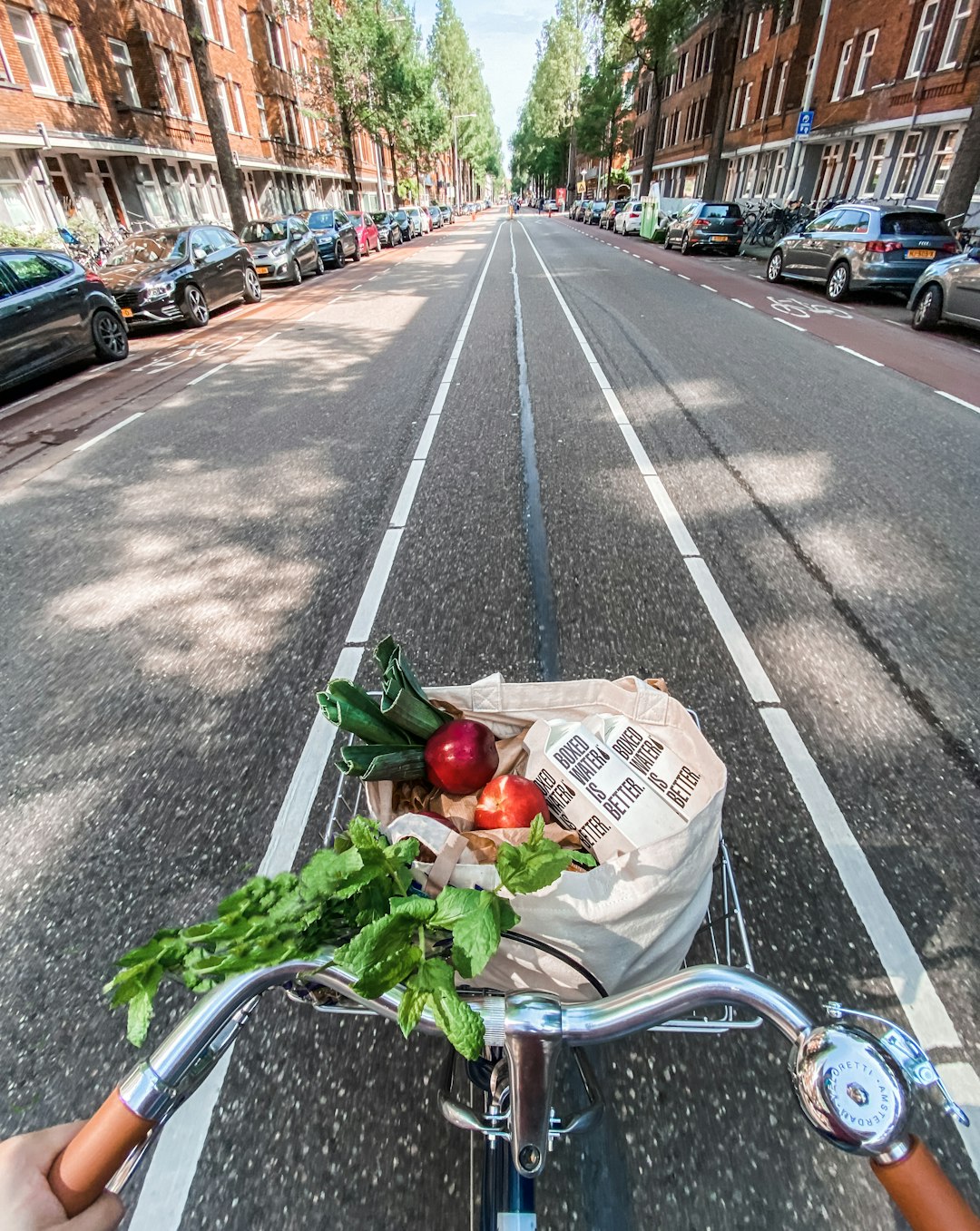

Urban areas are responsible for more than 70% of global carbon emissions, making them a critical focus for sustainable development and climate action. As cities continue to grow, the integration of renewable energy technologies is becoming essential for creating more sustainable urban environments.
The Urban Energy Challenge
Cities face unique challenges when it comes to energy production and consumption. High population density, limited space, and existing infrastructure all present obstacles to traditional renewable energy installations. However, innovative approaches are emerging that address these urban-specific challenges.
Recent advancements in technology are creating new possibilities for urban renewable energy integration. From building-integrated solar panels to micro wind turbines designed for urban environments, the options for clean energy in cities are expanding rapidly.
Building-Integrated Solar Solutions
One of the most promising developments in urban renewable energy is the evolution of building-integrated photovoltaics (BIPV). Unlike traditional solar panels that are added to existing structures, BIPV systems are incorporated directly into building materials during construction or renovation.
Solar windows, for example, use transparent photovoltaic cells that allow visible light to pass through while capturing ultraviolet and infrared light to generate electricity. These innovative windows can transform entire skyscrapers into vertical solar farms without sacrificing natural lighting or aesthetic appeal.
Similarly, solar roof tiles that mimic traditional roofing materials are becoming increasingly affordable and efficient. These systems allow buildings to generate clean energy while maintaining architectural integrity and visual appeal.
Urban Wind Energy Solutions
Wind energy in urban settings has traditionally been limited by space constraints and concerns about noise and vibration. However, new micro wind turbine designs are addressing these issues with vertical-axis turbines that can be installed on rooftops or integrated into building designs.
These compact turbines are specifically engineered to capture the turbulent wind flows typical in urban environments, and many operate quietly enough to be suitable for residential areas. Some innovative designs even incorporate aesthetic elements, turning wind turbines into architectural features rather than merely functional additions.
District Energy Systems
Another approach gaining traction is the development of district energy systems that serve multiple buildings or entire neighborhoods. These centralized systems can incorporate various renewable sources, including solar, wind, and geothermal, along with energy storage solutions to ensure reliable supply.
District energy offers economies of scale that make renewable energy more cost-effective and efficient. By sharing energy resources across multiple buildings, these systems can better balance supply and demand, reducing waste and improving overall efficiency.
Smart Grids and Energy Management
The integration of smart grid technology is a crucial component of urban renewable energy systems. Smart grids use digital communication technology to detect and react to local changes in usage, allowing for more efficient distribution of electricity and better integration of variable renewable sources.
Advanced energy management systems can predict when renewable energy production will be high or low and adjust consumption patterns accordingly. For example, electric vehicle charging or energy-intensive industrial processes can be scheduled during periods of peak renewable generation.
Case Studies: Cities Leading the Way
Several cities around the world are already demonstrating the potential of urban renewable energy solutions:
- Copenhagen, Denmark is on track to become the world's first carbon-neutral capital by 2025, with district heating systems powered by biomass, wind turbines in the harbor, and solar installations throughout the city.
- Singapore's Solar Nova program aims to deploy 2 gigawatt-peak (GWp) of solar energy by 2030, primarily through rooftop solar panels on public housing and floating solar farms on reservoirs.
- Barcelona, Spain has implemented a "Solar Ordinance" requiring all new buildings and major renovations to use solar energy for at least 60% of their hot water needs.
Challenges and Future Directions
Despite promising developments, significant challenges remain. Initial installation costs, regulatory barriers, and the need to retrofit existing buildings can all slow the adoption of urban renewable energy solutions.
However, falling technology costs, innovative financing models like power purchase agreements (PPAs), and increasingly supportive policy frameworks are helping to overcome these obstacles. As climate concerns intensify and renewable technologies continue to improve, the transformation of urban energy systems is likely to accelerate.
The future of renewable energy in cities will likely involve a diverse mix of technologies working together, from building-integrated solar and wind to waste-to-energy systems and advanced storage solutions. By embracing these innovations, cities can reduce their carbon footprints while creating more resilient, healthy, and economically vibrant communities.
Conclusion
The integration of renewable energy into urban development represents one of the most promising pathways for addressing climate change while creating more livable cities. By reimagining how urban areas produce and consume energy, we can build a future where cities are not just centers of human activity but also hubs of sustainable innovation.
As technology continues to evolve and costs decline, the barriers to urban renewable energy adoption will continue to fall. For city planners, developers, and policymakers, the question is no longer whether to incorporate renewable energy into urban development, but how to do so most effectively.