As the global population continues to grow, expected to reach nearly 10 billion by 2050, the challenge of feeding everyone while preserving natural resources becomes increasingly urgent. Traditional agricultural practices, while productive in the short term, often lead to soil degradation, water pollution, and biodiversity loss. Sustainable agriculture offers a promising alternative—a way to produce food that nourishes both people and the planet.
The Need for Agricultural Transformation
Agriculture currently accounts for approximately 70% of global freshwater withdrawals, occupies about 40% of Earth's land surface, and contributes around 24% of greenhouse gas emissions. These impacts make the sector both a major contributor to environmental challenges and highly vulnerable to their effects.
Climate change is already affecting crop yields in many regions, while extreme weather events like droughts and floods pose increasing threats to food security. Meanwhile, soil health is declining globally, with an estimated 33% of the world's soils already degraded.
"We're facing a perfect storm of challenges that demand a fundamental rethinking of how we grow food," explains Dr. Elena Patel, an agricultural scientist at the Center for Sustainable Food Systems. "The good news is that many of the solutions we need already exist. We just need to scale them up."
Regenerative Agriculture: Beyond Sustainability
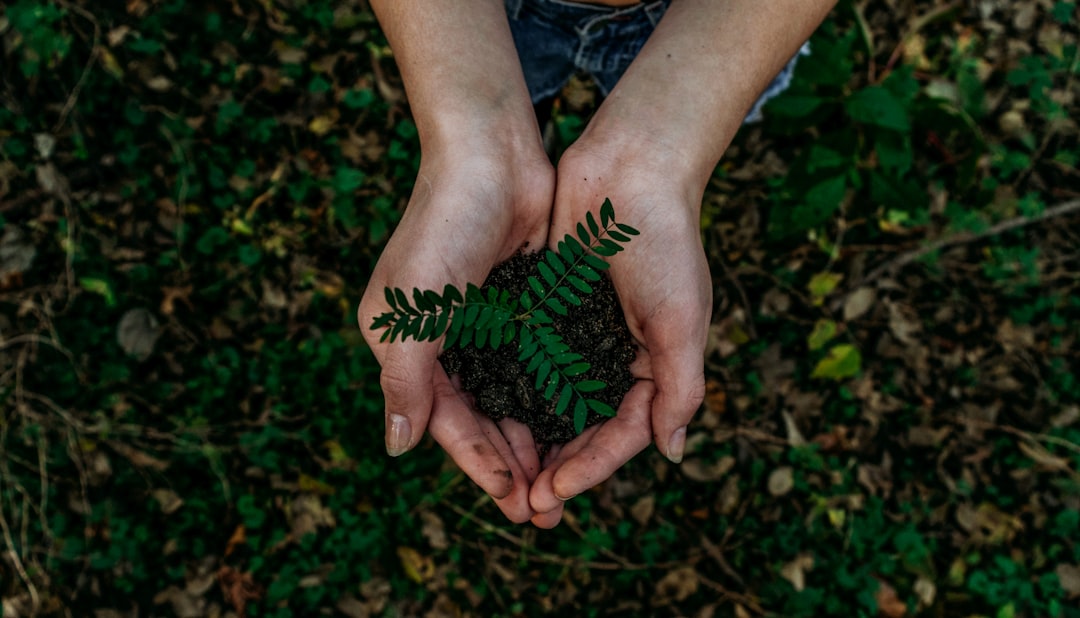
Regenerative agriculture goes beyond simply sustaining current conditions to actively improving soil health and ecosystem function. This approach uses practices like cover cropping, reduced tillage, and crop rotation to build soil organic matter, enhance biodiversity, and increase resilience to climate extremes.
A five-year study across 20 farms in the Midwest found that fields managed with regenerative practices had 29% more soil organic carbon and could absorb 91% more water during heavy rainfall events compared to conventionally managed fields. Perhaps most surprisingly to skeptics, the regenerative farms were 78% more profitable, primarily due to reduced input costs.
"When I first switched to regenerative practices, I was nervous about yields," admits Sarah Jenkins, a third-generation farmer in Iowa. "But after three years, my yields are comparable to before, my input costs are way down, and my soil gets better every year. I'm never going back."
Precision Agriculture: Doing More with Less
Technological innovations are enabling farmers to apply water, fertilizers, and pesticides with unprecedented precision, reducing waste and environmental impact while optimizing yields.
GPS-guided tractors can plant seeds with centimeter-level accuracy, while drones and satellites provide real-time crop health data that allows farmers to address issues before they spread. Soil sensors monitor moisture levels, enabling precise irrigation that can reduce water use by up to 60% compared to traditional methods.
In California's drought-prone Central Valley, precision irrigation systems have helped almond growers reduce water use by 20% while maintaining or even increasing yields. Similar technologies are being adapted for smallholder farmers in developing countries, often through mobile phone applications that provide weather forecasts and growing advice.
Agroforestry: Trees and Crops Together
Agroforestry integrates trees with crop production, creating multi-layered agricultural systems that mimic natural ecosystems. These systems can increase total productivity while providing numerous environmental benefits, including carbon sequestration, erosion control, and habitat for wildlife.
In Brazil's Atlantic Forest region, farmers practicing agroforestry are growing coffee under native tree species. This approach has increased coffee quality and price premiums while restoring forest cover in one of the world's most threatened biodiversity hotspots.
Similarly, in Zambia, farmers intercropping maize with nitrogen-fixing trees like Faidherbia albida have seen yield increases of 100-400% without chemical fertilizers. The trees shed their leaves during the rainy season, providing nutrients to the crops below while allowing sunlight to reach them.
Urban Agriculture: Growing Where We Live
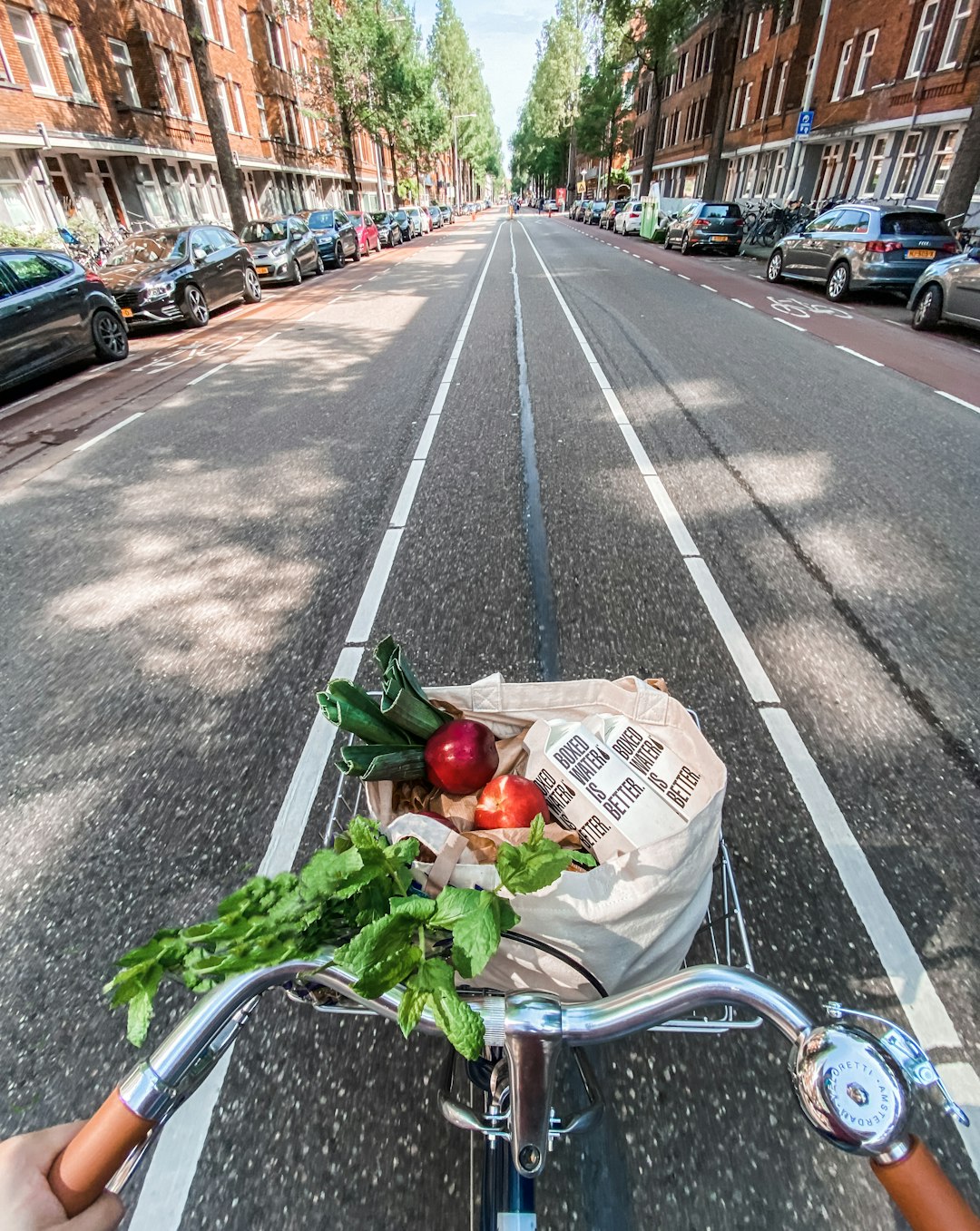
With over half the world's population living in urban areas, cities are becoming important sites for food production. Urban agriculture ranges from community gardens to sophisticated vertical farms that can produce leafy greens with 95% less water and 99% less land than conventional farming.
Beyond providing fresh food, urban agriculture helps connect people to food systems, reduces transportation emissions, and can transform unused spaces into productive green areas that improve urban environments.
In Singapore, which imports more than 90% of its food, rooftop farms are becoming increasingly common. One 7,000-square-foot rooftop farm produces up to 500 kilograms of vegetables monthly, which are sold directly to local consumers and restaurants.
"Urban agriculture won't replace rural farming, but it's an important complement," says urban farmer Ming Chen. "It allows cities to become part of the solution rather than just consumers of food produced elsewhere."
Indigenous Agricultural Knowledge
While technological innovation drives many sustainable agriculture practices, traditional knowledge systems also offer valuable insights. Indigenous communities around the world have developed sophisticated agricultural methods adapted to local conditions over thousands of years.
In Mexico's Yucatan Peninsula, Maya farmers practice milpa agriculture—a diverse polyculture system that intercrops maize, beans, and squash with dozens of other useful plants. This approach maintains soil fertility without synthetic inputs and provides nutritional diversity.
Similarly, traditional rice terraces in parts of Asia represent engineering marvels that have sustained production on steep slopes for centuries while creating beautiful landscapes and rich biodiversity.
"There's a growing recognition that indigenous agricultural knowledge isn't primitive—it's sophisticated and adaptive," notes anthropologist Dr. James Rodriguez. "Combining this knowledge with modern science creates powerful possibilities for sustainable food systems."
Policy and Market Transformations
Despite their benefits, sustainable agricultural practices often face barriers to adoption, including upfront costs, lack of technical support, and markets that don't recognize their environmental benefits.
Policy reforms can help level the playing field. For example, the European Union's new Common Agricultural Policy is shifting subsidies toward practices that protect soil health and biodiversity. Meanwhile, carbon markets are beginning to reward farmers for sequestering carbon through improved practices.
Consumer demand is also driving change. Sales of organic food have grown consistently by 5-10% annually in many countries, while certifications for sustainable practices are gaining recognition in the marketplace.
The Road Ahead
Transitioning to sustainable agriculture requires coordinated efforts across the food system, from farmers and researchers to policymakers and consumers. While challenges remain, the momentum toward more sustainable practices is building.
"We're at an inflection point," says Dr. Patel. "The environmental and economic case for sustainable agriculture is becoming clearer, and we're seeing unprecedented innovation and commitment to change."
As climate change and resource constraints intensify, sustainable agriculture isn't just an environmental imperative—it's increasingly an economic necessity. By working with natural systems rather than against them, farmers around the world are discovering that they can produce abundant food while healing the land.
The future of food depends on these pioneers and the practices they're developing. Their success will determine whether we can feed a growing population while preserving the planet for generations to come.